Unit 5 reflection

This unit was all about how the body is able to take in food, digest using enzymes, absorb, and the factors that help along the process. To begin, our first topic was about the digestive system. This system is separated into the Alimentary canal and the accessory digestive organs. The main functions of the digestive system is to ingest, secrete, mix, digest, absorb, and defecate. Injection is anchored by the oral cavity containing the tongue that pushes food to the hard palate to create bolus and then sends down the soft palate through the pharynx (throat), and the esophagus into the stomach. the bolus is now called peristalsis. In the stomach, chemical changes, the stomach walls mash up the peristalsis by contracting, and the peristalsis is now chyme. The chyme leaves the stomach to go to the small intestine. In the small intestine the chyme goes through the duodenum, then Jejunum, and then the ileum. Most chemical digestion and absorption occurs here.
There are accessory organs for the small intestine; the liver which produces bile for large fats, gallbladder, which stores bile for liver, and the pancreas, which produces enzymes. the enzymes used include peptidase, intestinal lipase, Maltase, sucrose, and lactose. The small intestine is lined with micro villi to increase absorption.
Lastly the large intestine pulls out all of the water to dry out the undigested food. The large intestine is filled with bacteria to digest in small intestine and the rest that are eliminated end up in feces. Here large mounts of mucus is lubricated to help the process flow. the passage goes from the cecum to the appendix to the ascending colon, transverse colon, descending colon, to the sigmoid colon, to the rectum, and lastly the anus.

Next topic was the fuel metabolism; here most starch is used as energy along with parts of proteins, lipids, and vitamins. To begin, ATP is the universal energy carrier but it does not necessarily store energy, it stores the components to make a reaction to create energy. It can be generated by the oxidation of glucose, fatty acid, and amino acids. Stage one in extracting energy from food is breaking down macromoluecules into their monomeres. Stage 2 is turning the small molecules of monomeres into Acetyl CoA. Stage 3 is the Krebs cycle and the Electron transport chain. Now that we have gone over the energy portion here are the states of energy. The Fed State, also known as the absorption state, is when sugar is absorbed by the intestines and the pancrease releases insulin. The majority of glucose is converted into glucose but the rest is converted to triglycerides. The Fasting State is with in one hour of eating and the insulin drops while glucagon levels rise. THe glycogen is converted into glucose through glucuneogenesis, in the liver. To conserve the glucose for the brain, the body uses fats as energy and the liver converts fatty acids to Ketone Bodies by the help of Acetyl CoA. Ketosis is when there are too many ketone bodies in the blood stream. Next is the starvation state where muscles rely on adipose tissue for fuel and the fats are all depleted. Now thr body depends on the proteins for fuel.
During exercise, the muscles rely on glycolysis for ATP creating lactic acid which then absorbed by the liver and reconverted into glucose. This is called the Cori cycle. The liver is what stores the glucose for these incidences so that glyconeogenisis can perform.
As stated in a
previous blog, insulin signals the high glucose levels and causes storage tissue to promote fat storage while glucagon signals low glucose levels. Adrenaline and nor adrenaline increases the heart rate and activates the storage of fats and glucose into the adipose cells.
To go off of high insulin levels, diabetes I is due to no insulin made there is no protein for insulin. Type II is when the body rejects insulin because all of the GLUT 4 transporters are trapped inside the cell. Exercise is able to increase the production of GLUT 4 to prevent diabetes. Type II comes from chronic high blood sugar levels.
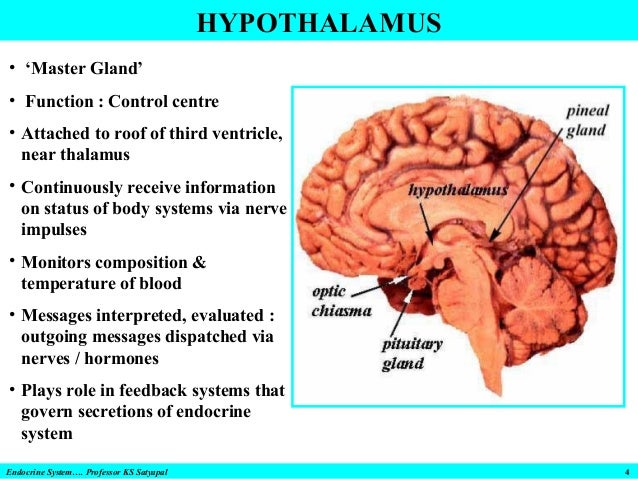
The endocrine system includes the steroid and nonsteroid hormones, soluble and nonsoluble respectively. The endocrine system sends negative feed back when the body is not in homeostesis and there are different glands that help with the balance; pancrease regulates glucose transport and the thyroid glaand regulates metabolism.
They
lymphatic system, explained in detail in a previous blog, talks about lymph, a clear fluid, and how it flows through lymphatic vessels to send out T cells, B cells, Helper T cells and macrophages (white blood cells). The spleen carries the RBC's and the thymus holds and makes the WBC's.
Through this unit, I have connected ideas to my health of how well I eat and the health of loved ones around me and how they are able to control diabetes or prevent it. Also my goals for this year to stay on task and get work done efficiently to be able to get sleep and hang out with friends more has been successful because I make time for my family and friends on my higher weekends and the weekends that I know I have a lot the next weekend, I stay at home to get the work done and not become the sterio-typical second semester senior.

 To begin the light pathway, we have the cornea that bends the eyes based on the wavelength of light and in the dissection, it was cloudy because there were no nutrients going into it. Next, the light goes through the aqueous humor which is behind the cornea that gives the cornea the shape and helps the eye stay stiff when in use. after the humor comes the pupil that is controlled by the iris, the colored portion of the eye; the pupil is dark black and will control the amount of light brought in. When the surrounding is dark, the pupil will widen so that as much light as possible can be let in and for the surroundings, with lots of light the pupil is small to limit the amount of light let in. Next, comes the lens. The lens is circular and hard, but smooth (rubbery), and is right behind the pupil. around the lens and pupil are the ciliary bodies contract or relax so that the lens to see things far away or close up. Next, comes the vitreous humor, which is a jelly-like substance behind the lens; the humor keeps the shape of the eye. The retina is a thin layer in behind and resting on the vitreous humor and it is attached to the choroid. The place where the retina attaches to is also called the blind spot. Inside the retina includes the cones and rods which give the color and the shade of the light and then the light goes through the optic nerve which sends chemo-receptors to the brain. In the sheep eye, but not in human eyes, is the tapetum lucidum which reflects light so that nocturnal animals are able to take in, even more, light to the eye so that seeing in the dark becomes easier.